

Our Lady of Lichen Sanctuary
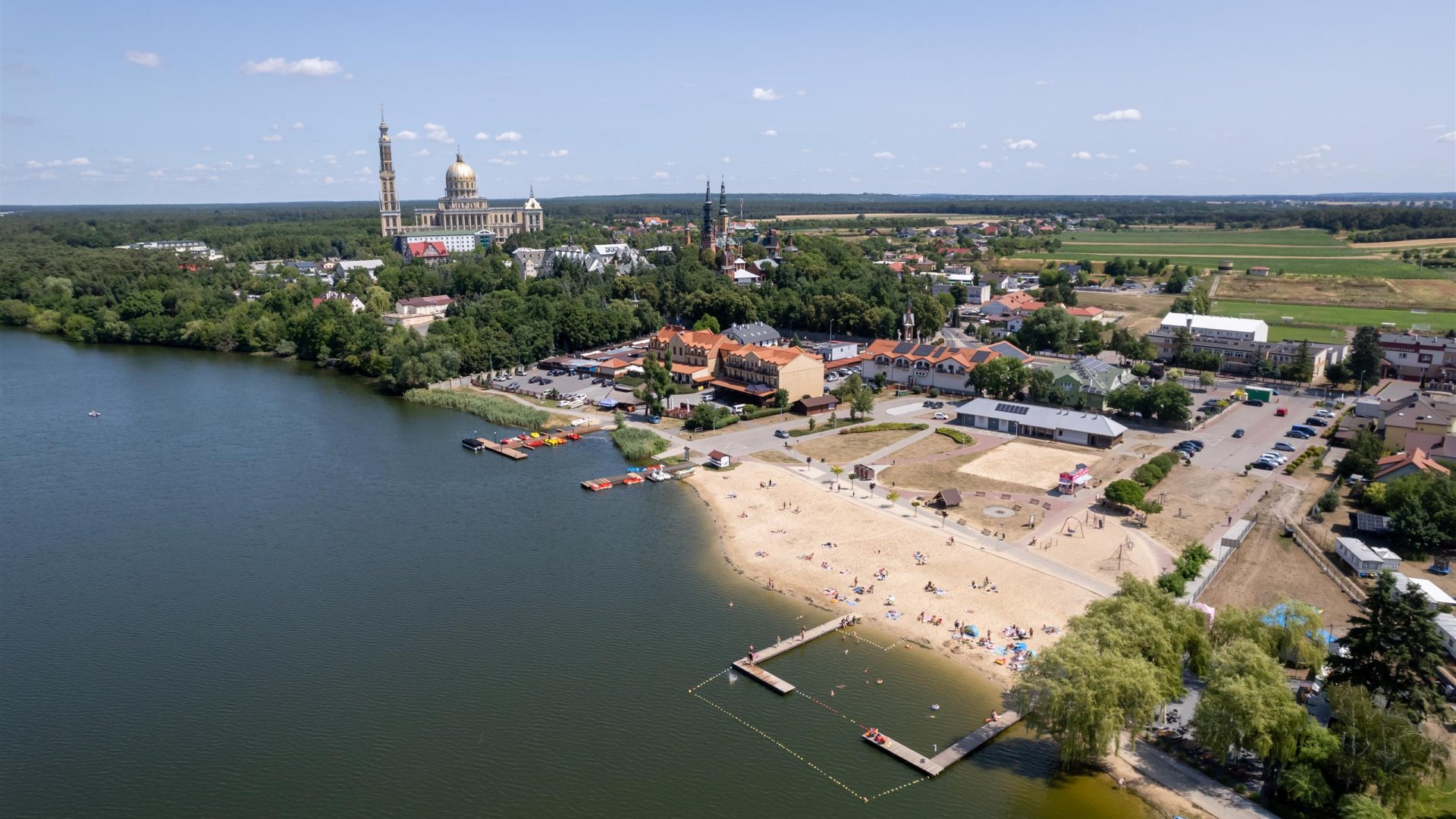
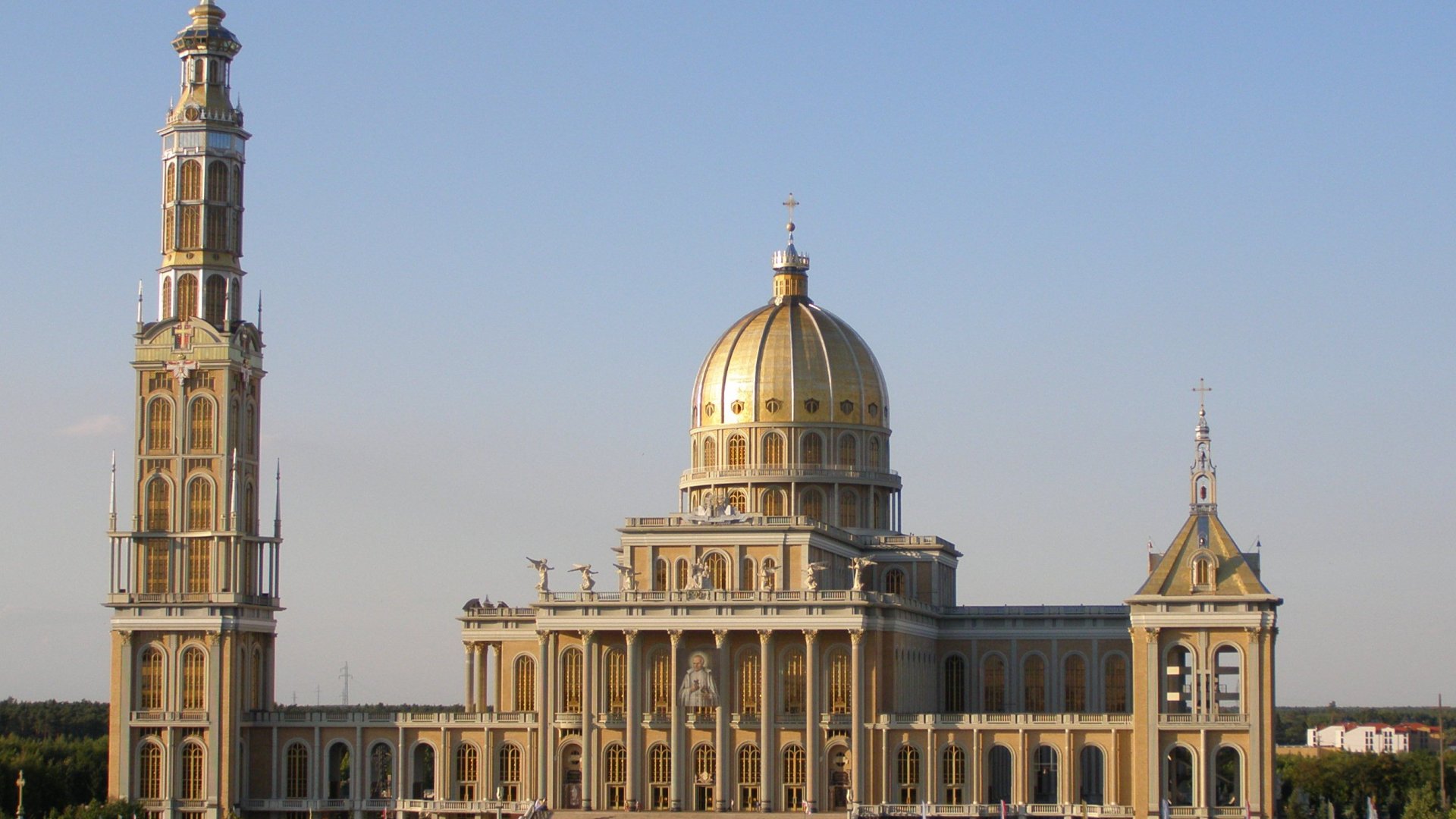
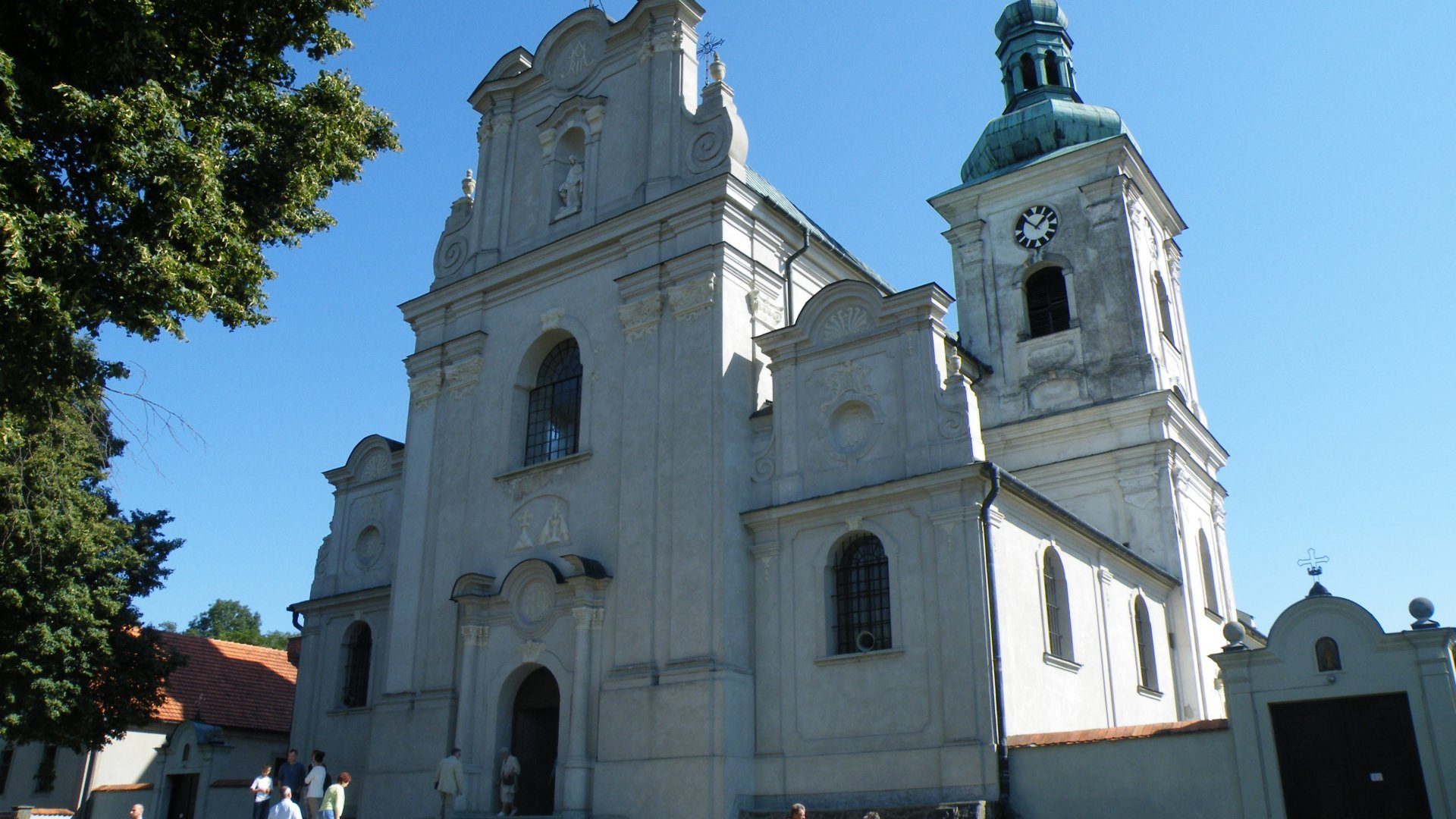
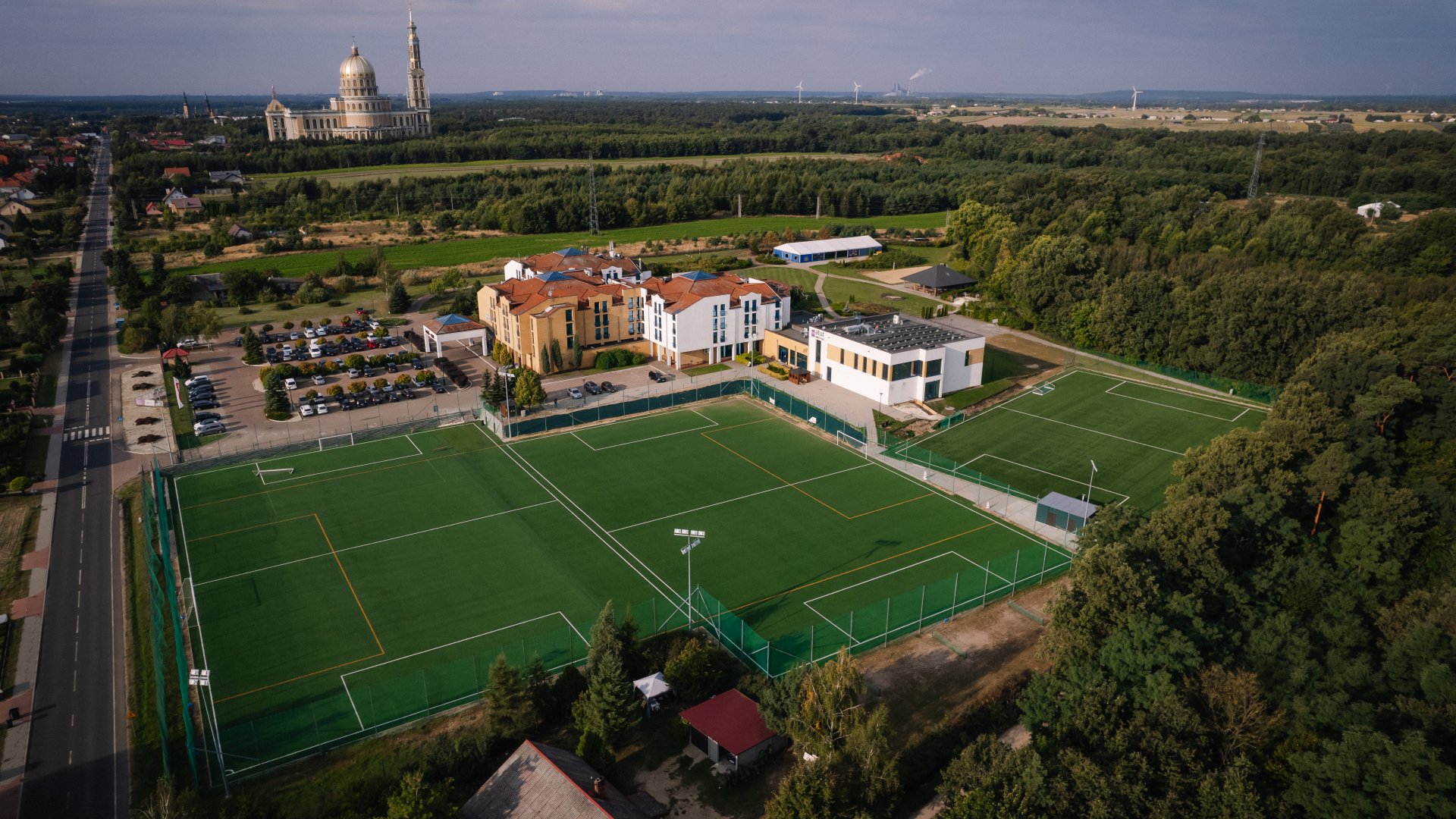
Our Lady of Lichen Sanctuary, for many years constitutes one of the most visited sites of the Marian cult in Poland. Numerous apparitions of Our Lady beginning in the XIX century are the primary factor for its popularity. Every year millions of pilgrims come to the sanctuary to pray in front of the miraculous painting of Our Lady of Sorrows the Queen of Poland. The Lichen Basilica was modeled after Saint Peter’s Basilica in the Vatican is the largest church in Poland and the seventh largest in Europe. It is one the greatest tourist attractions in Poland and the region. Other sites on the property of the sanctuary are - St. Dorothy Church, Calvary, the Little Spring, Father Jarzębowski Museum, the largest church organs in Poland and the Mother of God Bell. Nearby the Sanctuary is the Grąblinski forest where apparitions in front of the miraculous painting took place. The miraculous painting is now displayed in the Basilica.
Recreation attractions in the Hotel
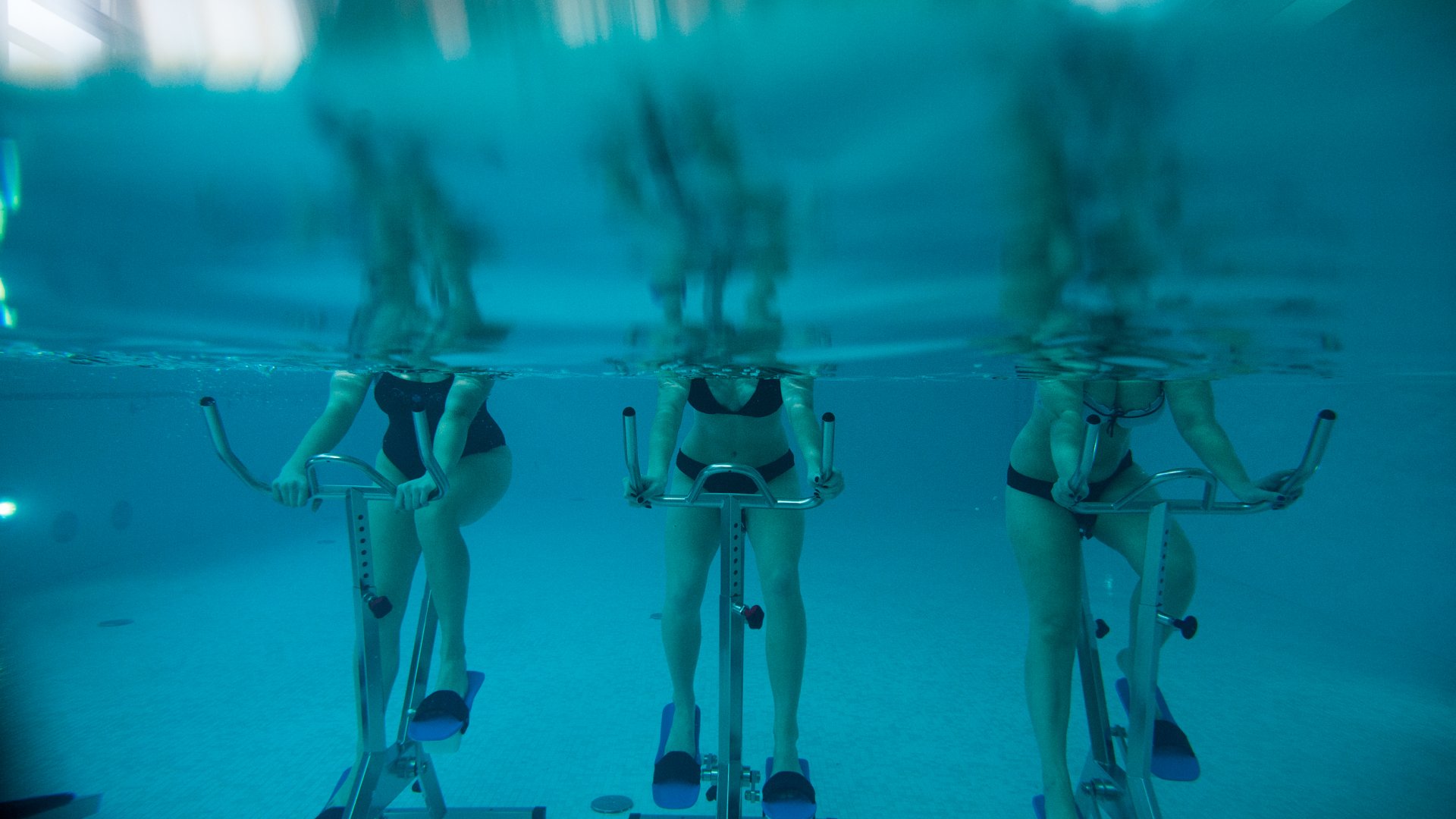
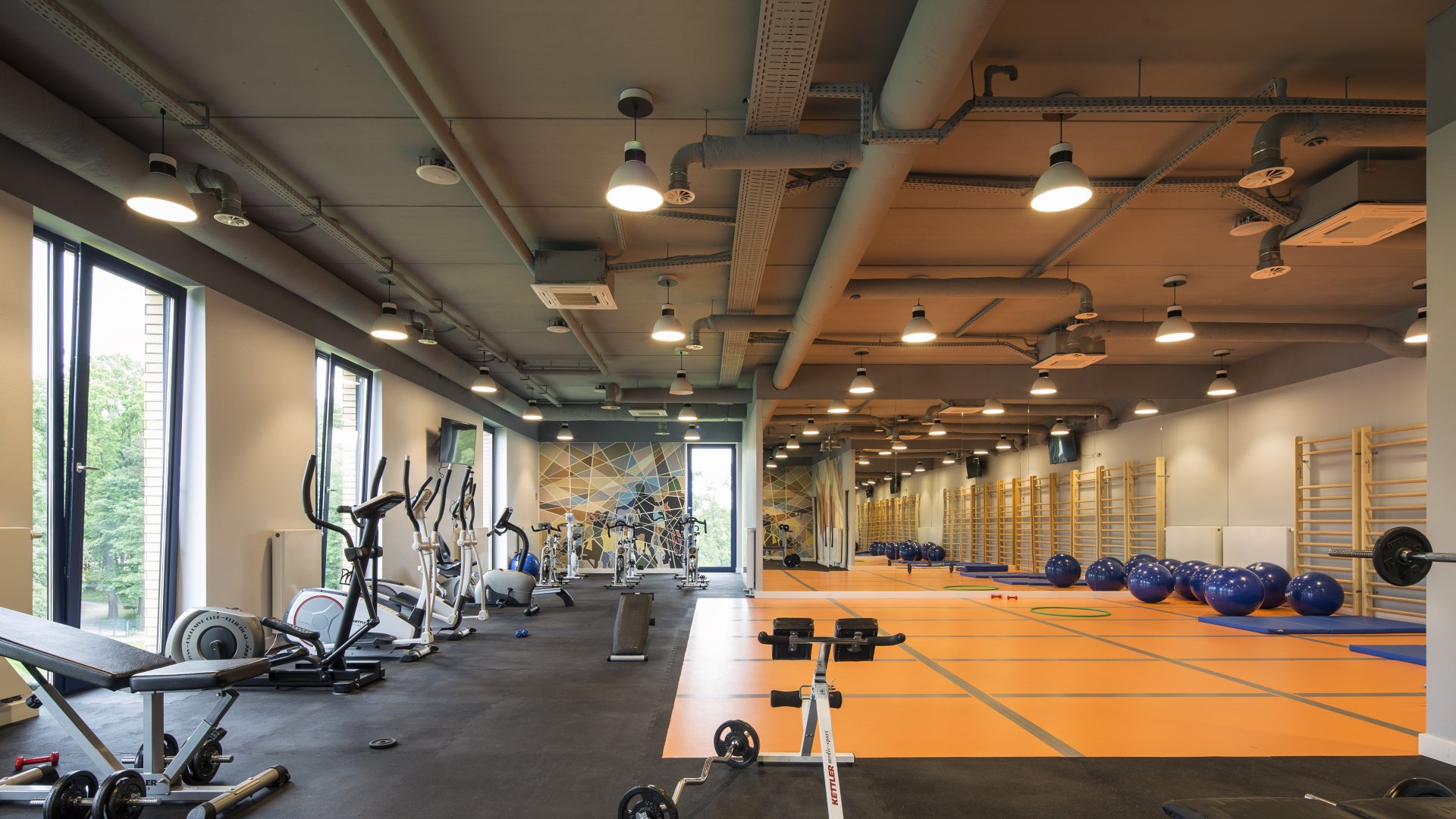
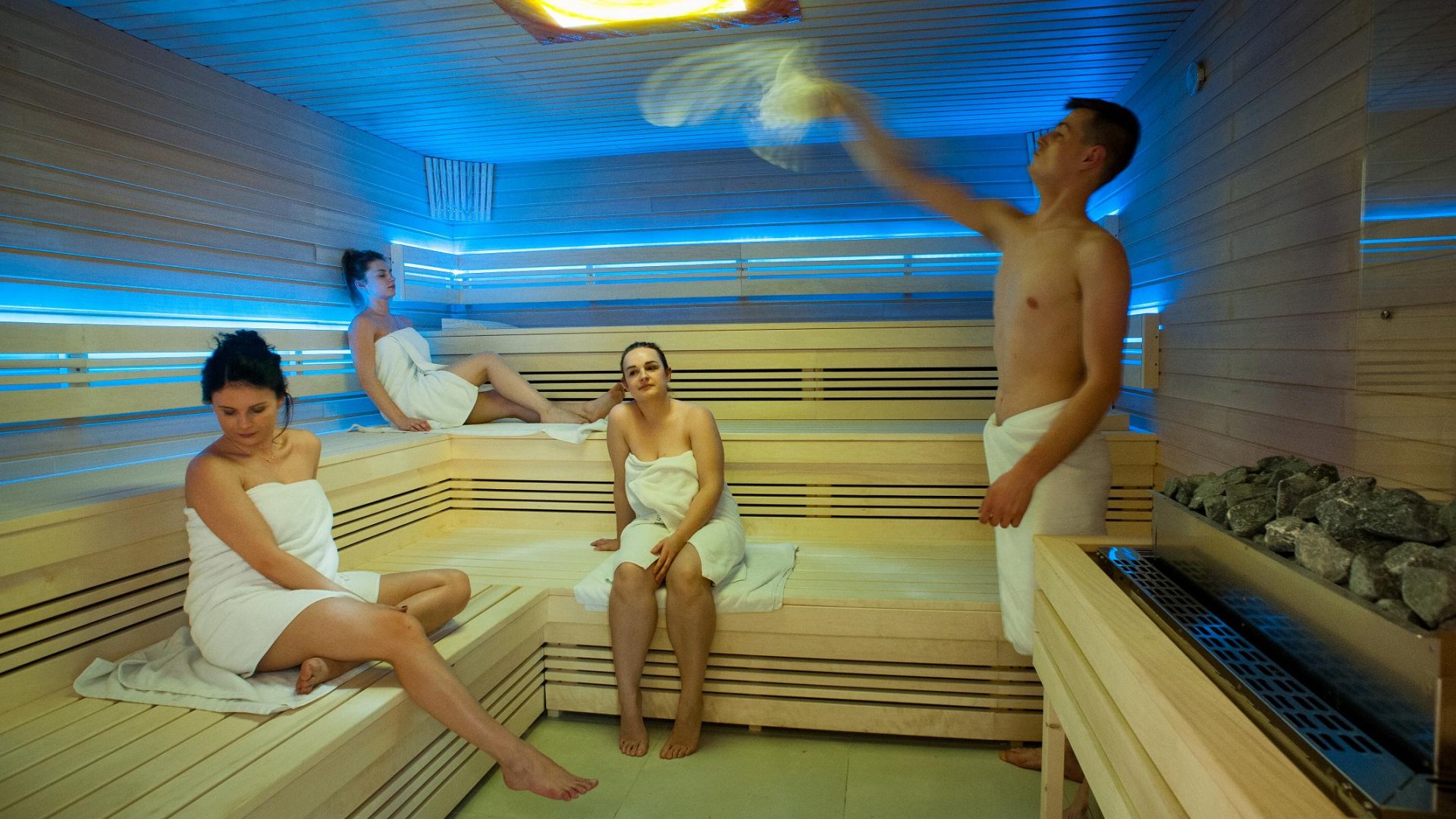
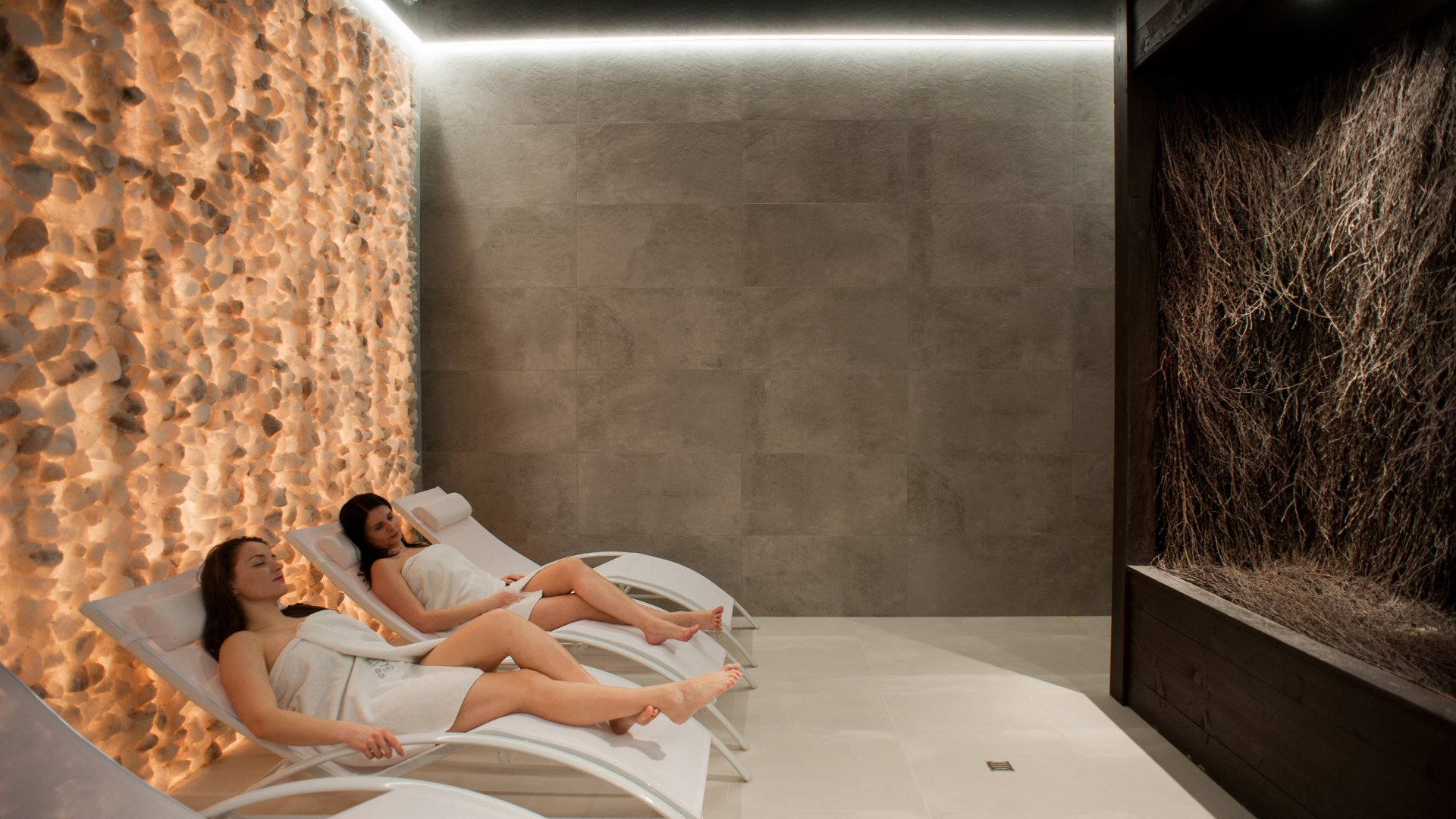
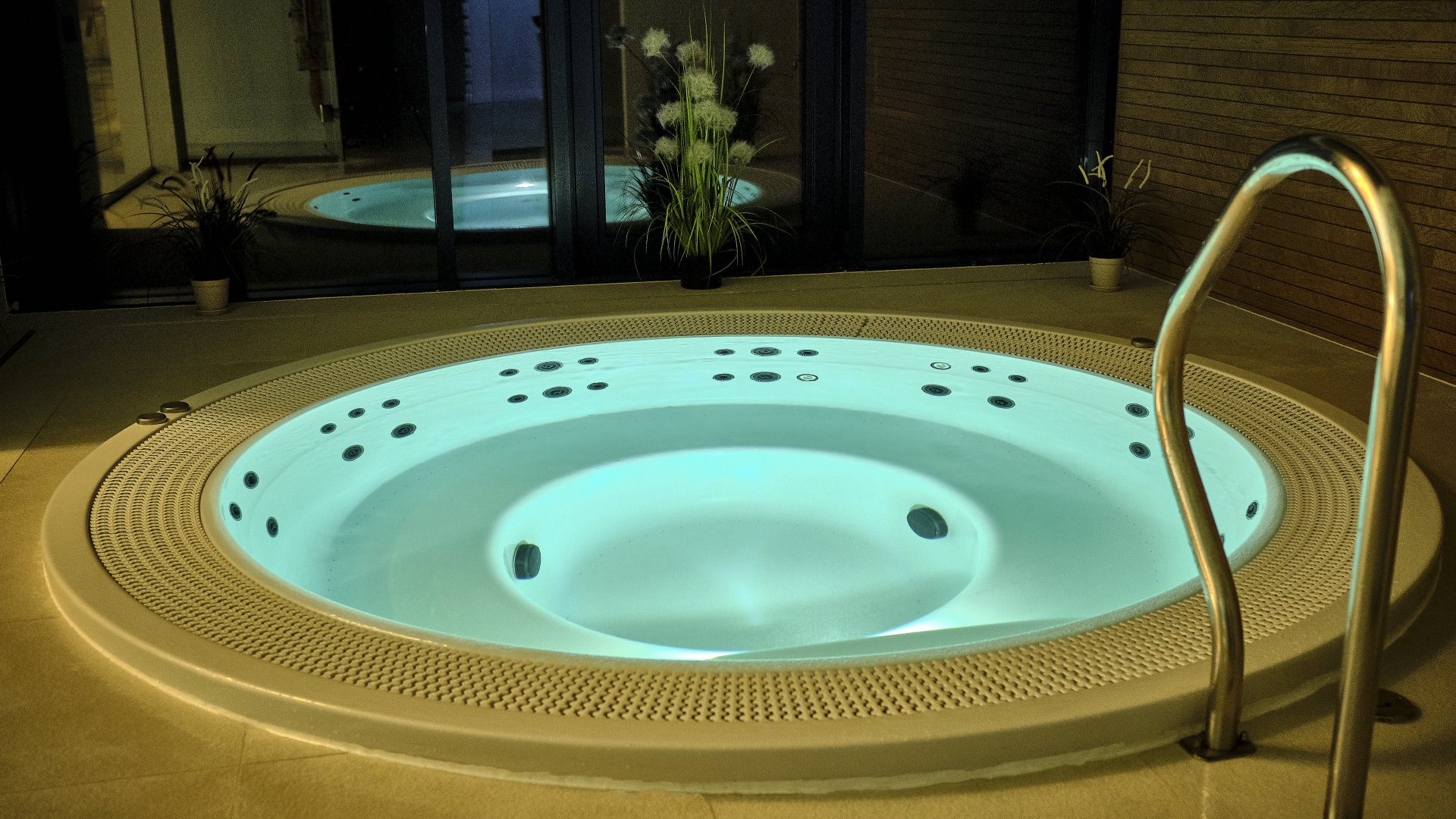
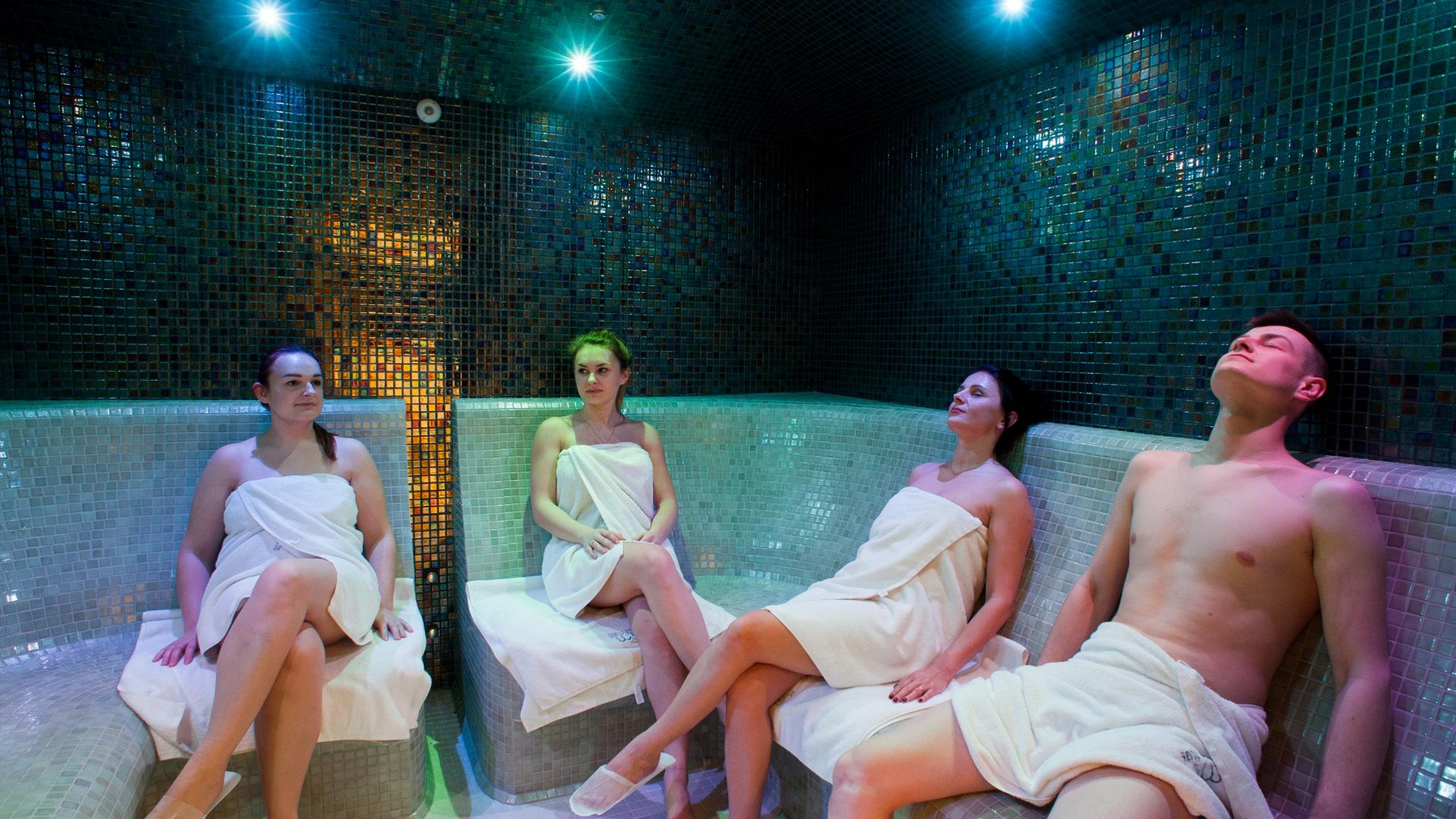
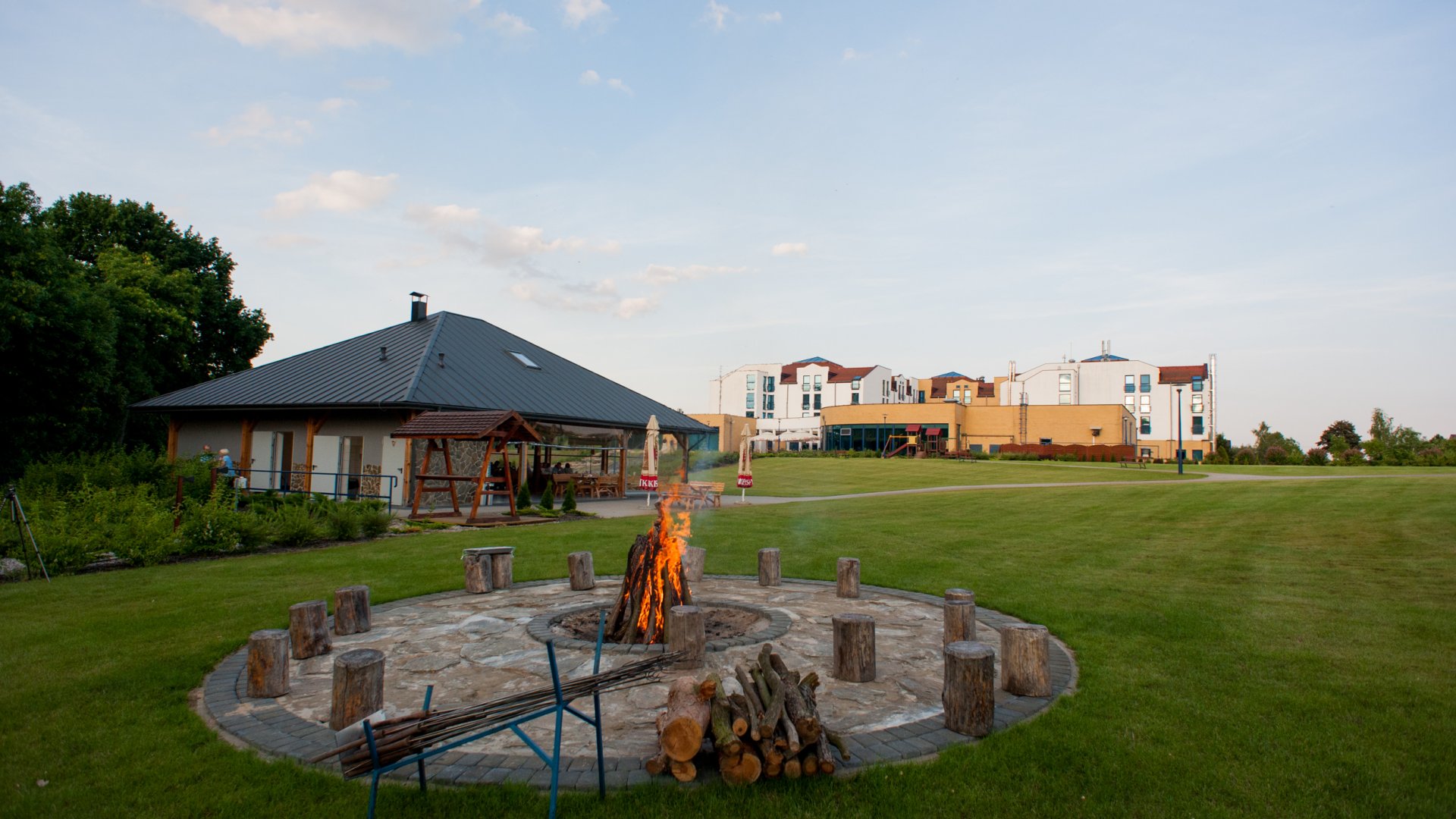
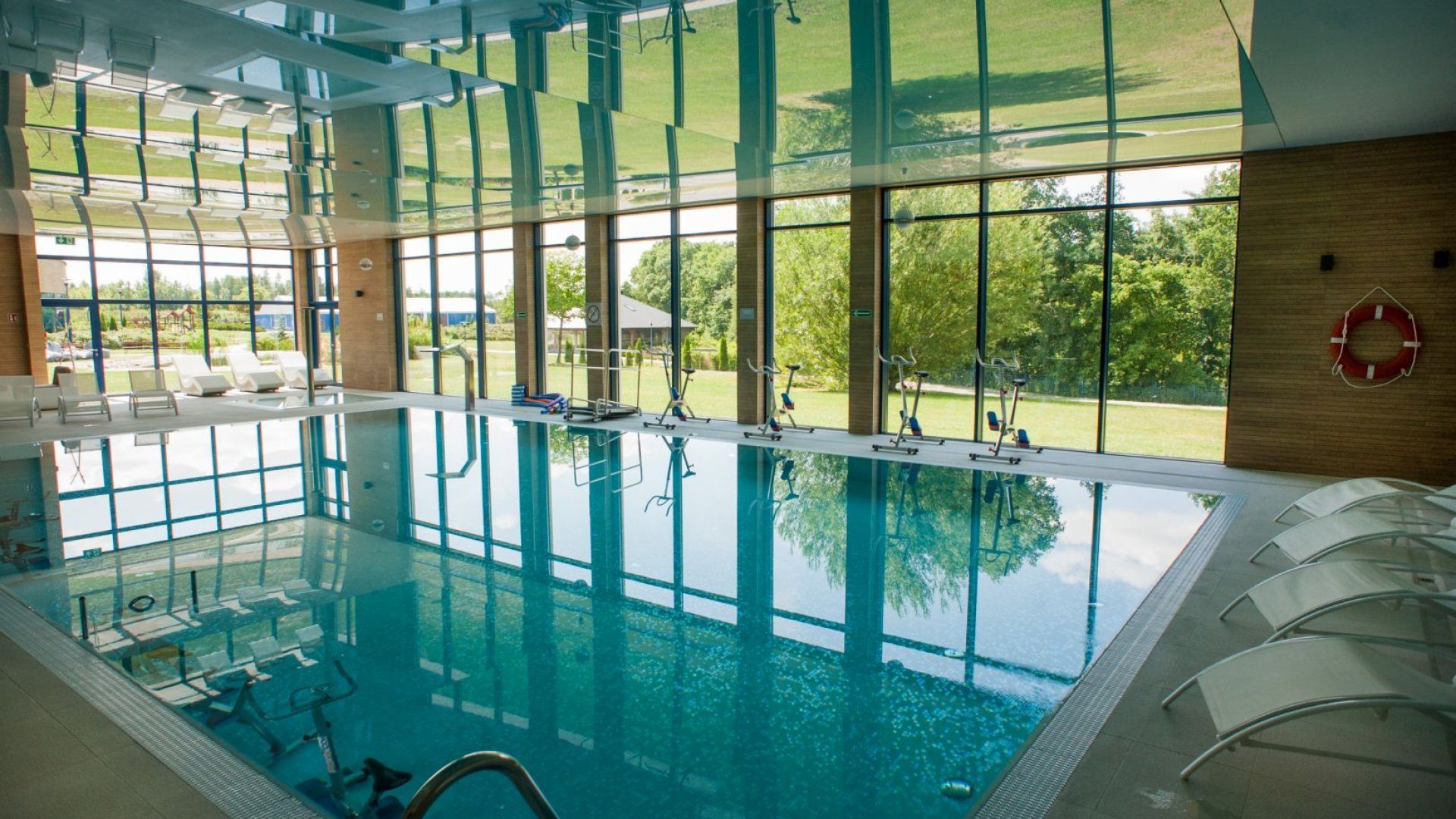
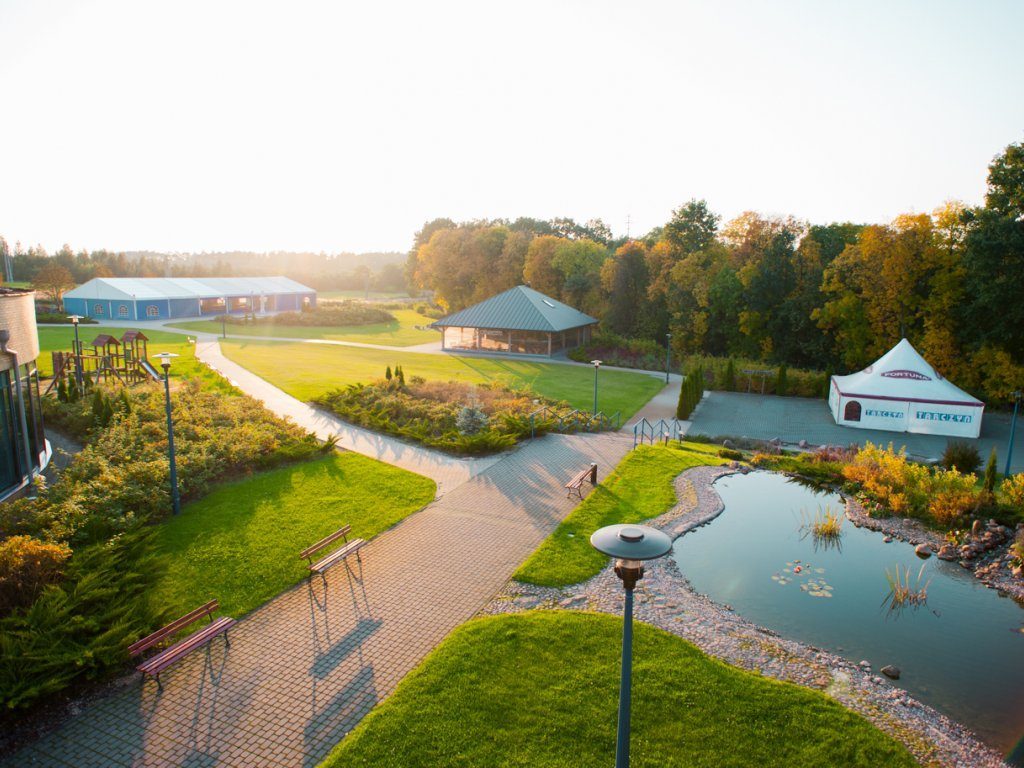
Our Biological Renewal Center offers the guests of the hotel the use of our gym and sauna free of charge. In addition to the pampering our guests at the center we also offer a table tennis and billiard table, beach volley ball and soccer fields and an option of bicycle rental. After a daylong conference or a long trip relax and enjoy the benefits of a massage done by professional masseuses.
Leśny Raj
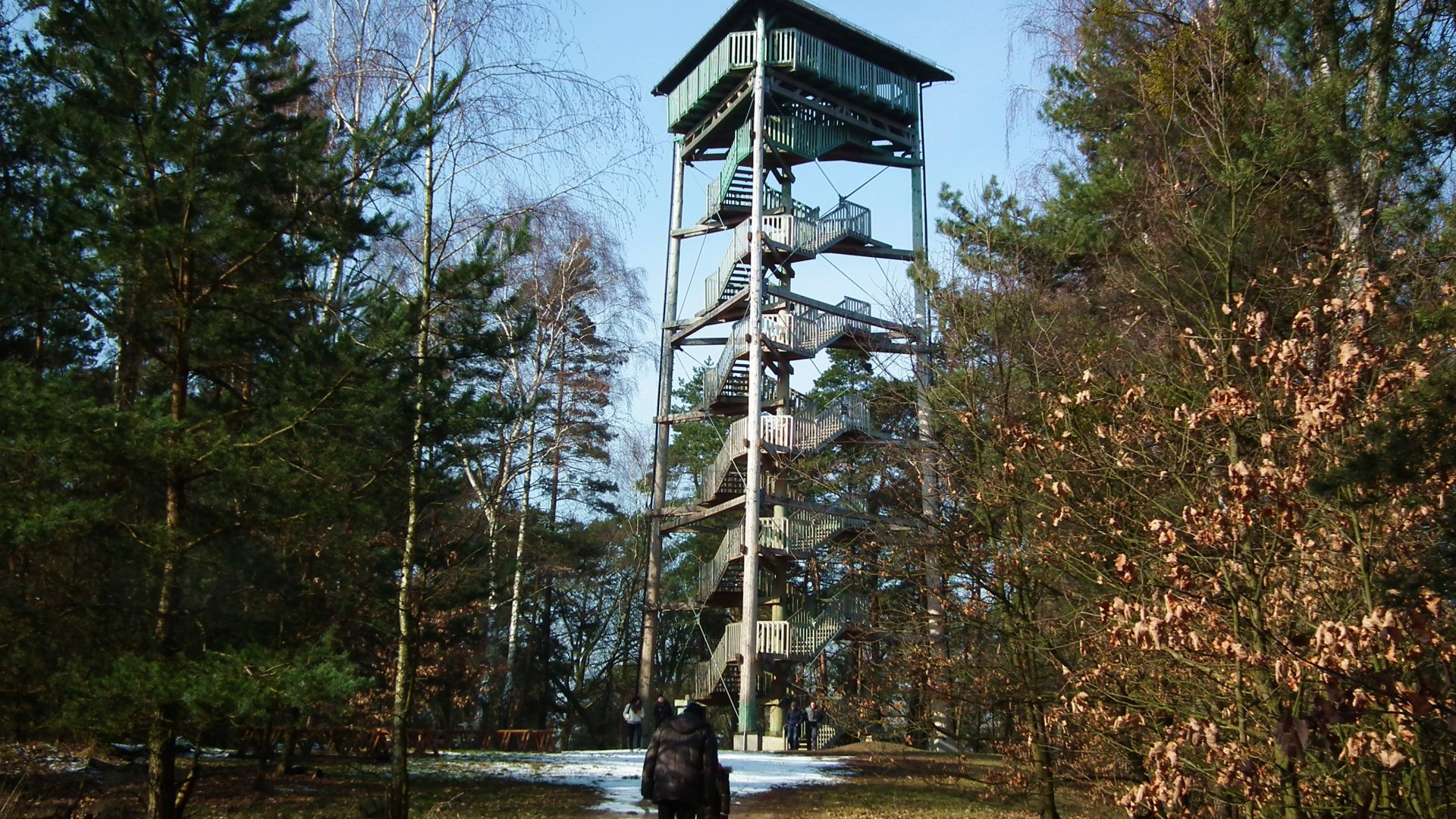
The “LEŚNY RAJ” – [Pol. Forest Paradise] Rope obstacle Park offers you active relaxation in the heart of nature. ,,Leśny Raj" comprises as many as 61 obstacles guaranteeing over an hours of safe fun with a large dose of adrenaline under a watchful eye of a staff of professionals! The diversity of obstacles hung 11 meters has no room for boredom! Four Tyrolean Traverse moving at a maximum speed and games, footbridges, which will test your sense of balance, demanding traverse challenges and many other attractions will ensure an unforgettable experience as well as a feeling of satisfaction when the obstacle course has been completed.
Kłodawa Salt Mine
The “Kłodawa” Salt Mine is a deep underground mine operating to this day. Currently, the mine is exploiting excavation levels located 600 to 790 meters underground. In it is a Kłodawa Tourist Underground Trail. The sightseeing program includes a lecture on the subject of Kłodawa mine’s salt deposit formation, and the usage of salt. Visitor take an elevator down to the level of 600 meters underground (the ride on the elevator at a speed of 6 m/s is an unforgettable experience) as well as walk along the excavated corridors to the underground St. Kinga Chapel – the patron saint of salt miners. While touring the mine, visitors can also see historic and modern machinery used in underground salt mining.
Uniejów
The town of Uniejów is primarily an excellent place to relax in the local Thermes. The Uniejów’s Hot Springs are not only therapeutic brine baths but also a choice of enjoying thermes pool complex. The entire complex is located nearby a knights’ castle where tourists can test their strength and skills in such competitions as Trebuchet* shooting Challenge or also from an XVIII century cannon. Visitors to Uniejów can take a leisurely walk in a beautiful English-style landscaped park. In the town’s center is yet another of its main attractions – a XIV century Gniezno archdiocese castle.
* Trebuchet - an ancient and medieval weapon, (literally: a stone hurler) a baroballistic hurling machine, hurling projectiles using lever principles.
Warta Landscape Park (Pol. Nadwarciański Park Krajobrazowy)
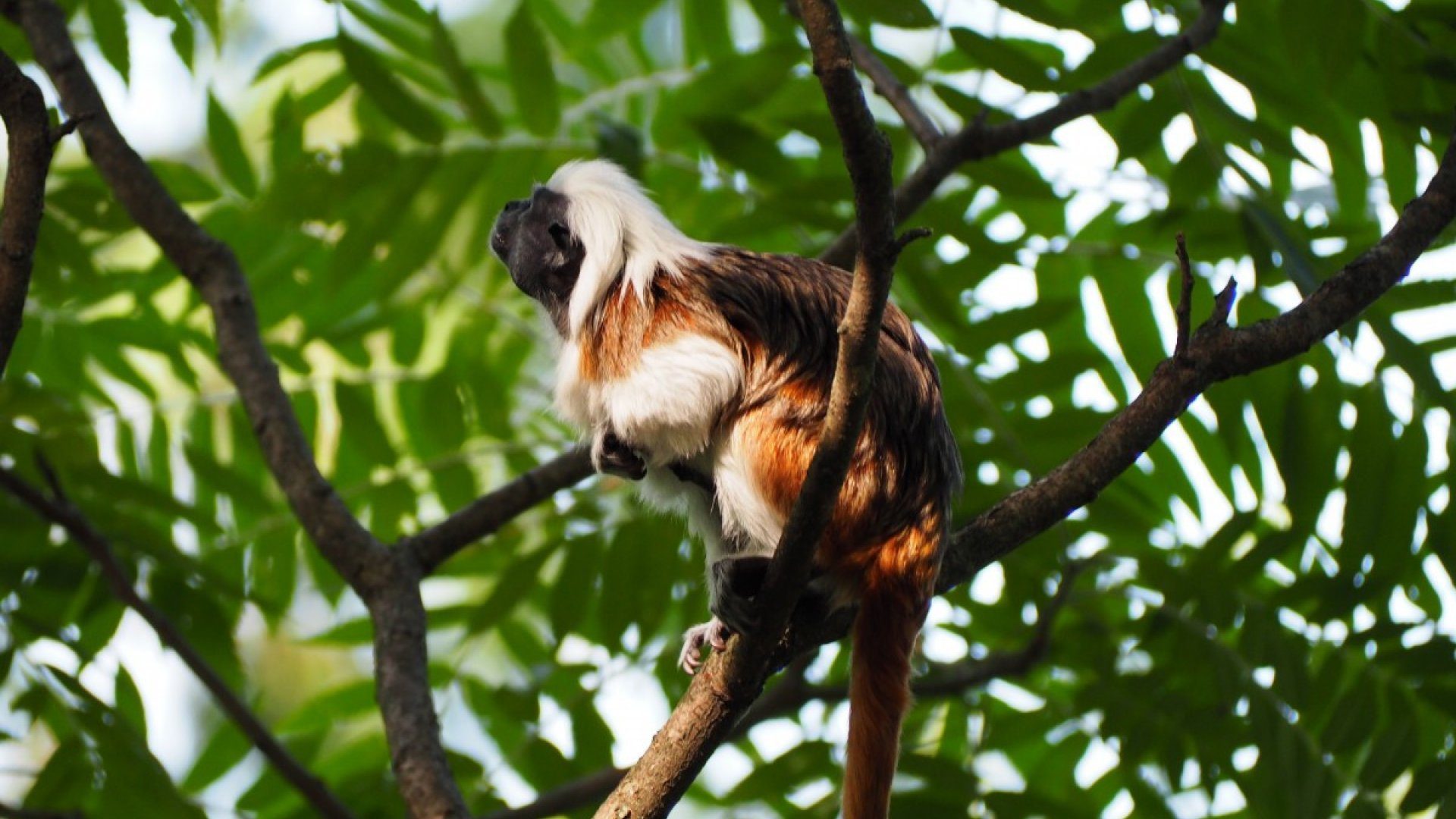
The Warta Landscape Park was created in 1995 and covers a 13,428 ha area in the Golina, Lądek, Pyzdry, Rzgów and Zagórów gminas (boroughs). The meandering Warta River left behind many old river trenches and streaks today surrounded by widespread meadows and pastures, among which numerous dunes can be found. It is thanks to these beneficial conditions the park boasts seldom seen wealth of avifauna, which is undoubtedly the Park’s biggest attraction. The area of the Warta Landscape Park has been recognized as one of 7 most valuable habitats of water and marsh birds in Poland and qualified to be the most valuable ornithological areas in Europe.
Bieniszew Camaldolese Monastery
The Bieniszew Camaldolese Monastery is a beautiful example of late Baroque architecture in Poland. The built in the years 1747-1781 church is graced by a Rococo altar, its interior is decorated by valuable frescos. The monastery was deserted in 1819 after dissolution of the monastery during Russian annexation of this part of Poland – the monks returned to it for a short time in 1937 and next after the end of World War II. The brothers to this day live in small separate cell-houses, where in solitude they spend their time on prayer and contemplation. As in other Camaldolese monasteries, women are not permitted to enter the monastery in Bieniszew with the exception of Sundays – from 10 to 11 am.
KWB Konin [Pol. abbr. KWB – Brown Coal (lignite) Mine]
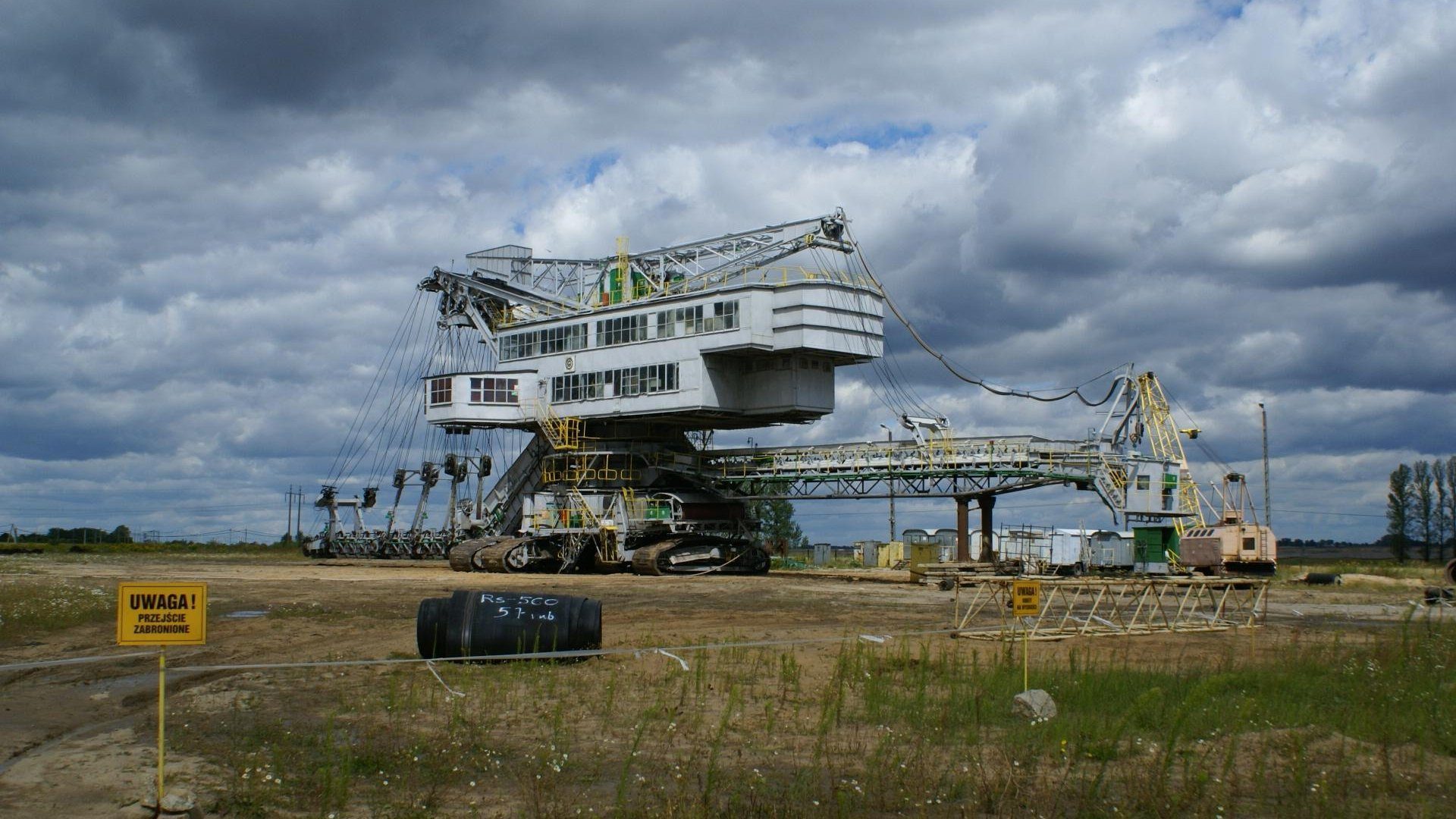
The area of the operating “Konin” opencast lignite (brown coal) coalmine creates a fantastic opportunity to learn of the more industrial side of the land of Konin. Brown coal is excavated in this region since the time of World War II. Most of the old opencasts has be recultivated and was subjected to land management for the need of recreation terrain, but tourists can still take a sightseeing trip over the exploited areas leading to special observation points where really impressive views await them
The Konin Aero Club
The Konin Aero Club has its own airport in Kazimierz Bikupi. Presently it has for airplanes, seven gliders, a hot air balloon and parachute gear. Basic and advanced courses are conducted during the flying season that is from April to November. Renting out an airplane or a glider for a joint flight with a flight instructor or a parachute jump is available during this period. To popularize aeronautics, the Konin Aero Club organizes flight fests attended by a vast number of people showing great interest in flying. Sightseeing flights are extremely popular during which passengers take in a bird’s eye view of Konin region’s breathtaking beauty. The rich offer for individuals provides many choices to those seeking thrilling experiences both to those with flying experience as well as to those taking their first steps in aeronautics.
The Amber Bicycle Trail
The Amber Bike Trail refers to the historical trade trail, which was travelled by merchant caravans from the Adriatic Sea to the Baltic Sea during the time of the Roman Empire. The trail is part of the Wielkopolska Polish Region’s Bike Trails System. The Wielkopolski trail section is 200 kilometers long and runs from south to north starting from the city of Syców all the way to the city of Przewóz. It runs along light traffic asphalt covered roads; however, from time to time one has to conquer a part of a dirt road, or a trail through the woods trails. The trail is not for those particularly demanding; hence tourists can enjoy this trail regardless of the type of their bike or physical condition.
The wooden churches trail
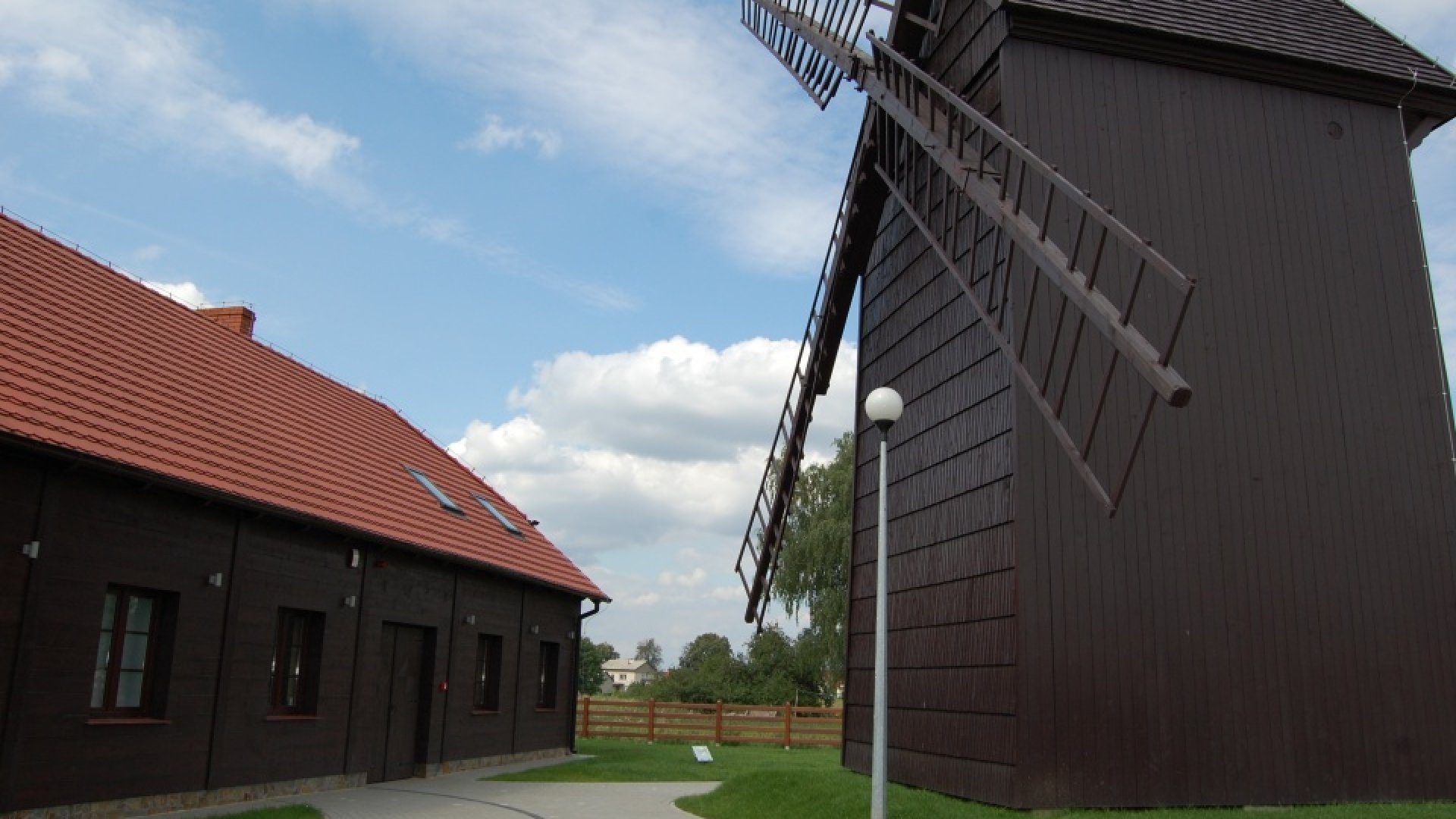
The rich history of the Konin region is reflected in its numerous historical sites, both secular and sacral. The Trail of Wooden churches is deserving of particular attention. It comprises St. Jacob the Apostle church in Golin, All Saints’ church in Kuchary Kościelne, St. Jacob the Apostle church in Rzgowie, Immaculate Heart of Our Lady in Ostowąż, St. Andrew’s church in Mąkolno, St. Matthew’s church in Lubstówku and the XVIII century bell tower in the town of Żychlin.
Other historical sites near the Hotel
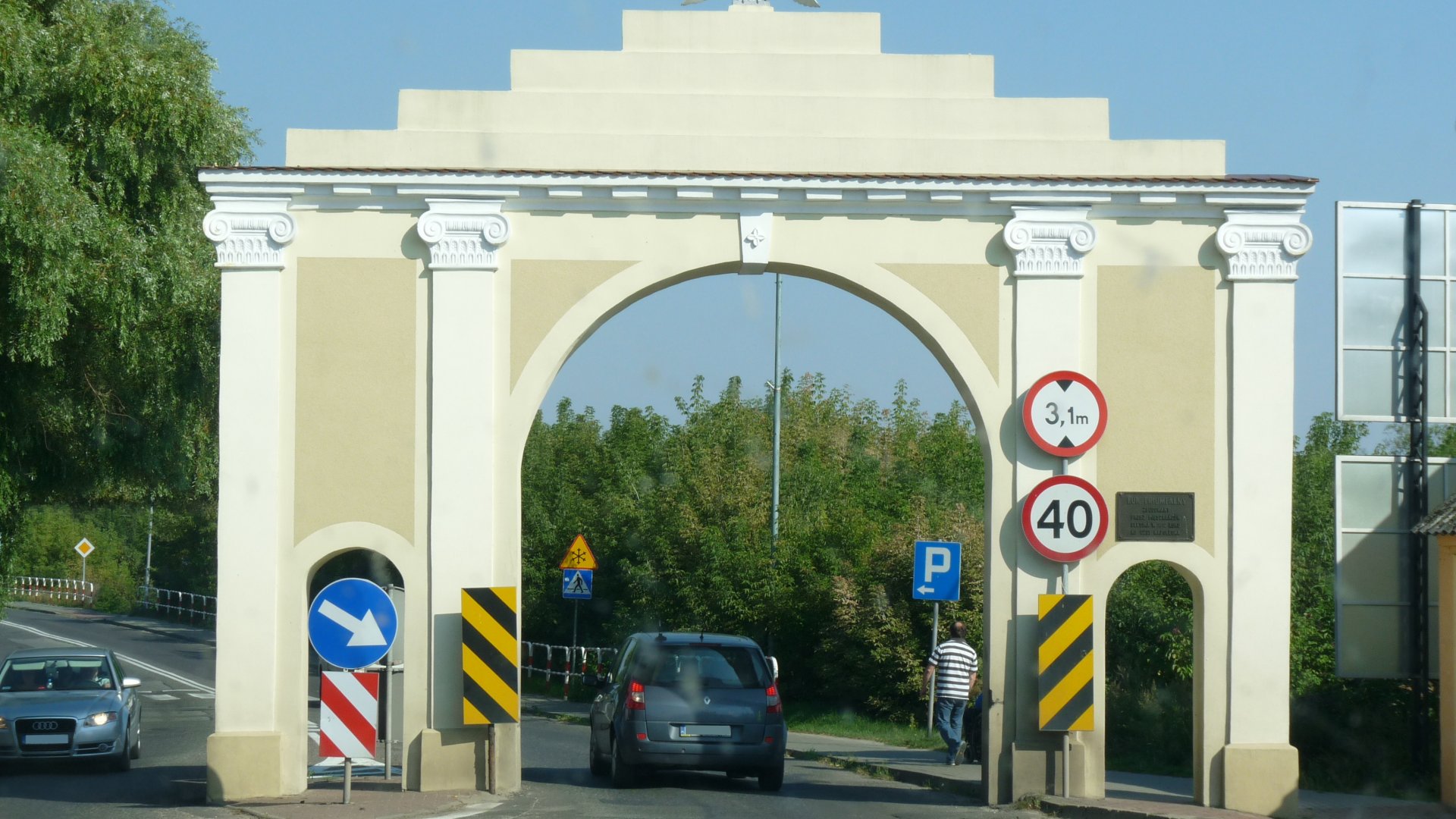
A good idea for interestingly spending free time can be, for example, a visit to the Konin Museum (in Konin-Gosłowice) where guests have a chance, among others, to learn about the history and culture of this region. Additionally, the museum offers a thematically wide great number of exhibits – art, technology, nature, numismatics etc. Tourists visiting our region may also be interested in seeing the Napoleon Arch in the town of Ślezino erected in 1812 to welcome the French emperor. The oldest road sign in Poland is also worth seeing. The road sign or a mile pole dates back to the year 1151 initially intended to mark the midpoint of the road leading from Kruszwica to Kalisz – can be found near St. Bartholomew church in Konin.